How to Measure Your Car Trunk Correctly
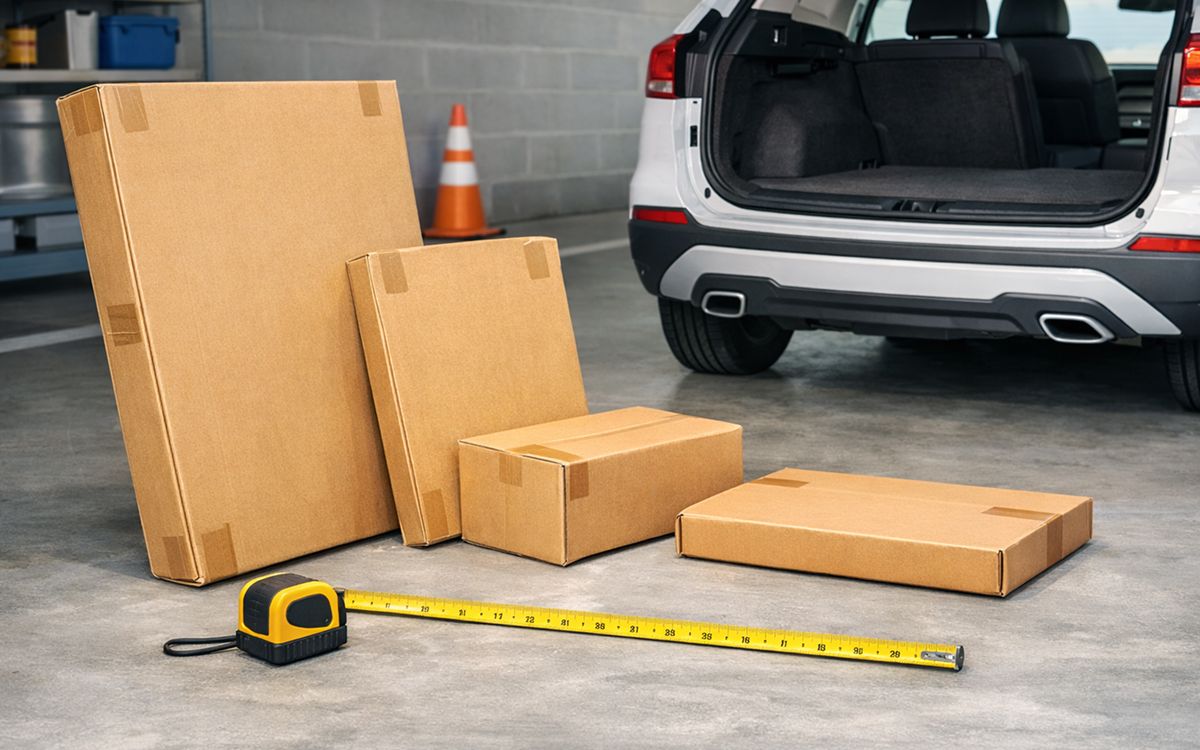
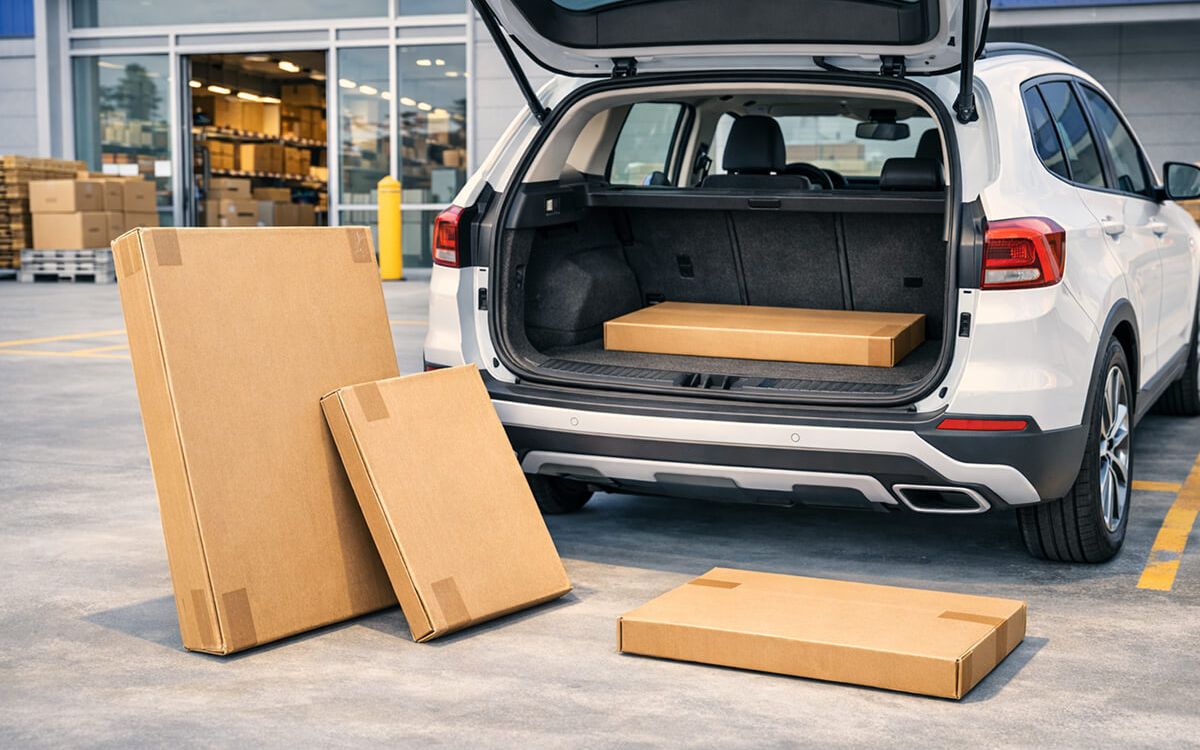
If a fit is even slightly close, measure five things before you trust it: trunk opening width, trunk opening height, narrowest interior floor width, cargo length with seats up, and cargo length with seats down. Those five numbers tell you whether a box can enter the car and rest inside it in the setup you will actually use.
Quick answer
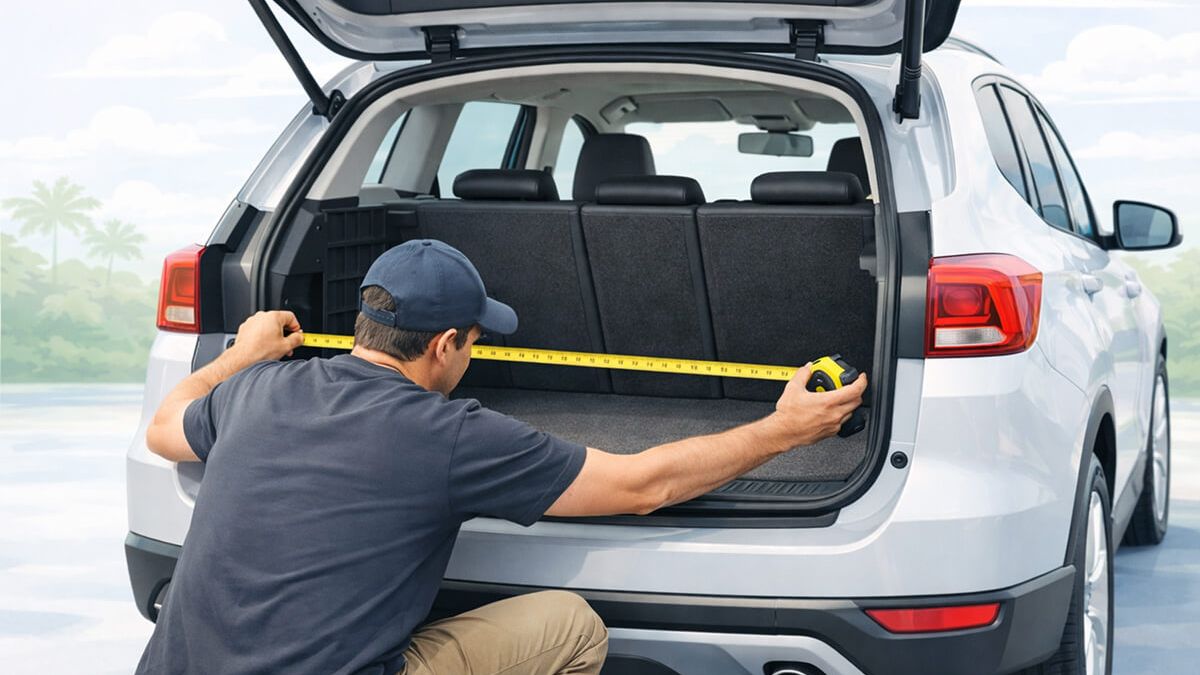
On a close fit, measure these five points first:
- Narrowest trunk opening width
- Usable trunk opening height
- Narrowest interior floor width
- Cargo length with seats up
- Cargo length with seats down
Those five checks answer two different questions: can the box enter, and can it settle inside? Do not rely on cargo volume or the widest-looking part of the trunk. Boxes fail at the tightest point, not the most generous one.
Use the right measurement for the right problem
- Opening width and height: can the box enter?
- Interior floor width: can it settle at the tightest point?
- Usable length: can it lie flat in the seat setup you will really use?
A single cargo-volume number cannot answer those checks.
Measure the opening first
Check width at the tightest point
Measure the narrowest part of the trunk opening, not the widest-looking center. A box has to clear the hard gate before deeper cargo space matters. On many cars, the real limit sits lower near the trim, latch area, or where the body shape tapers inward.
Hold the tape measure level and take the number you would use if you were threading a rigid rectangle through the hatch. If you want to understand why that one number can control the whole result, How we calculate fit results explains how limiting factors work.
Check height on the real loading path
Measure opening height on the path the package will actually travel through. Do not use the highest visible point with the hatch open if the lower edge, trim, or angle of entry reduces the real clearance.
If the result is close, repeat both measurements once. Tight fits are decided by very small margins, and a second reading is often the fastest way to catch a generous first measurement.
Measure where the box will sit
Interior floor width matters more than people expect
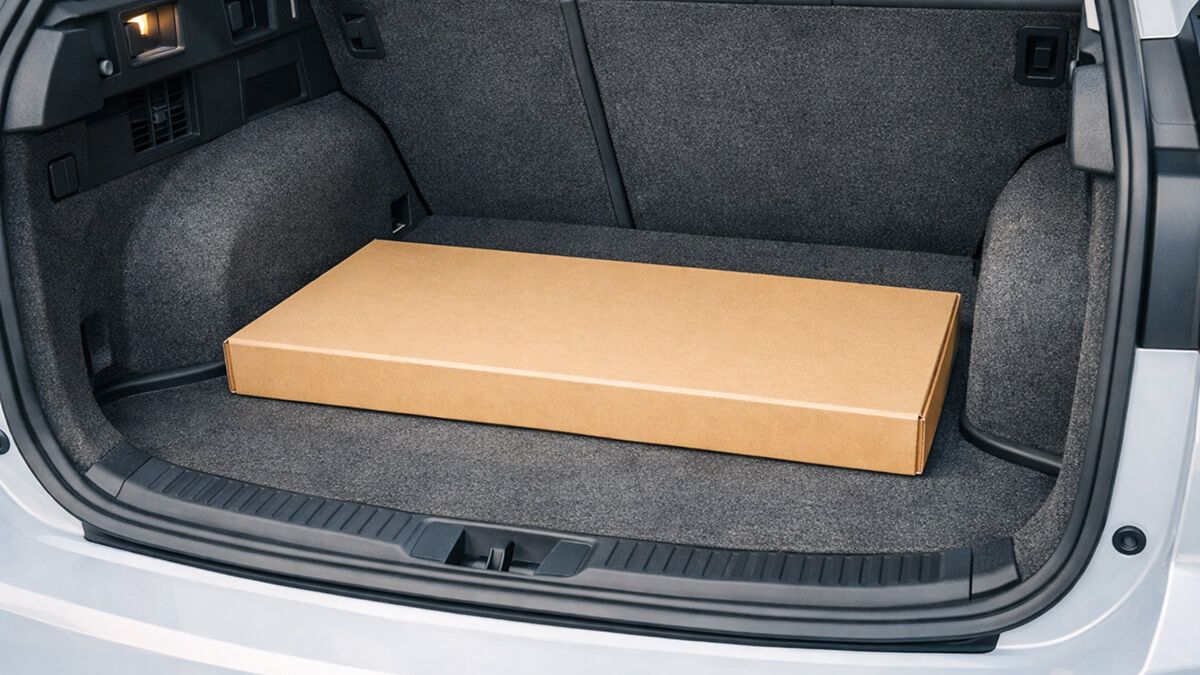
Interior floor width answers a different question from opening width. Opening width tells you whether the box can enter. Interior floor width tells you whether it can sit flat once it is inside. Wheel arches, side trim, and storage pockets often remove usable width exactly where the box needs it most.
For a real borderline example, see SÖDERHAMN 3-seat sofa in Skoda Superb Combi 2024: with the rear seats folded the sofa's biggest box passes the opening, and it is the narrowest floor width that keeps the result borderline.
Measure the narrowest interior width at floor level or at the height where the box will actually sit. If the item is tall and must stay upright, also check the vertical clearance above that resting position.
Look for real obstacles, not just empty space
Real obstacles matter on close fits. Parcel shelves, trunk covers, mats, hatch taper, and thick trim can remove the last few centimeters even after the box clears the opening.
If you want a practical next step after measuring, IKEA Pickup Day Checklist covers how to turn those measurements into a simple loading plan.
Measure usable length in the seat setup you will use
Keep seats-up and seats-down numbers separate
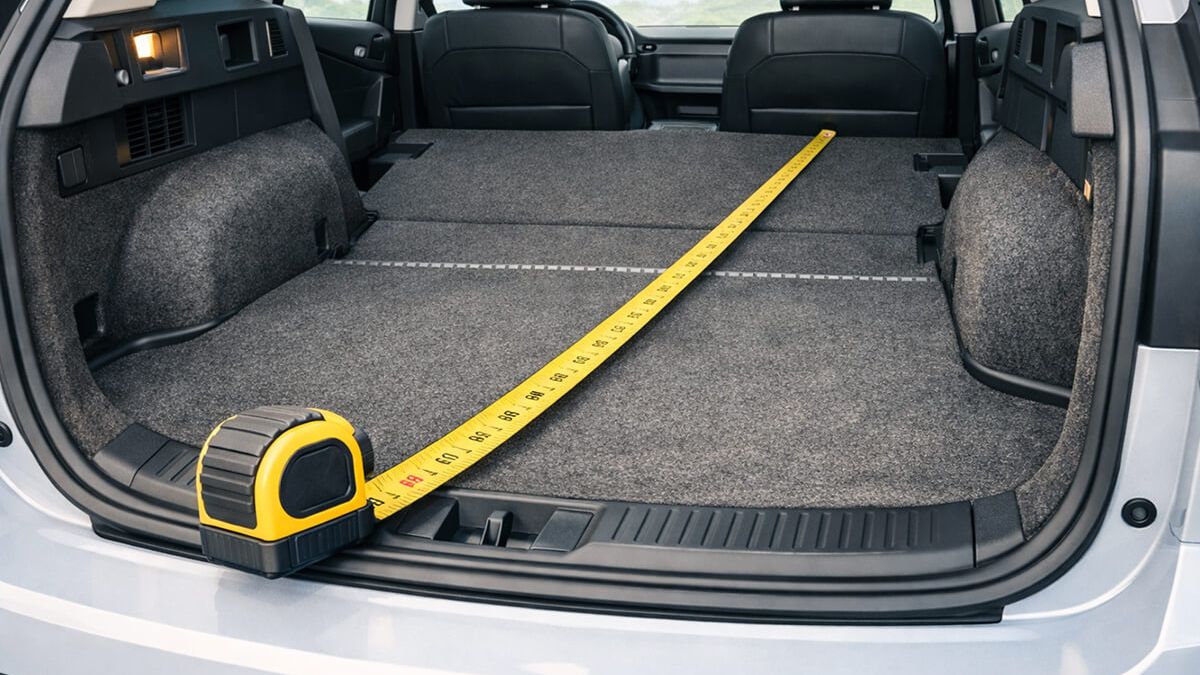
Measure cargo length twice: once with seats up and once with seats down. Some cars gain very little. Others gain enough to turn a failed trip into a clear YES. If the box only works with seats down, treat that as part of the plan, not a last-minute guess.
A good seat-setup example is NORDLI chest in Tesla Model Y 2023, where seats up is Maybe but seats down becomes Yes.
If you are still comparing which setup or which car is safer, use the vehicle list and the item catalog to narrow the decision before you start measuring.
Do not ignore loading angle
Loading angle matters on long boxes, but it should not be used to justify unrealistic twisting. Use it as a warning that close fits deserve a stop rule and a second measurement at the tightest point.
Keep a fast recheck and a stop rule
Use a 60-second measurement recheck
Once you know the tight points on your car, you do not need to remeasure everything every time. On a close fit, a one-minute recheck is enough.
- Confirm the narrowest opening width.
- Check the usable opening height.
- Measure the tightest interior floor width.
- Measure the cargo length in the seat setup you will really use.
- Remove anything that steals space if it would not stay in the car on pickup day.
Know when to measure again
Measure again when the result is close, when the seat setup changes, or when your first number came from a generous point. MAYBE results deserve a second look at the limiting factor before pickup.
If you want extra context before you commit, the FAQ and How it works pages explain how these measurements connect to the result you see on Car Fit Check.
Frequently asked questions
What are the first measurements I should take?
Start with the trunk opening width and height, then measure the narrowest interior floor width and the usable cargo length in the seat setup you plan to use. Those are the dimensions most likely to block a flat-pack box.
Should I measure with the parcel shelf or trunk cover installed?
No. Measure the car in the exact state you will use for loading. If you would remove the cover on pickup day, remove it before measuring so the number matches the real loading path.
Do I need to measure seats up and seats down separately?
Yes. Many vehicles gain meaningful length when the rear seats fold, but some gain very little. Keeping those two numbers separate prevents false confidence.
Why can a box fit through the opening but still fail inside the trunk?
The trunk often narrows deeper inside, especially near the wheel arches or trim panels. That is why interior floor width matters just as much as the hatch opening.
When is a quick driveway measurement good enough?
A quick measurement is usually enough when the result already has comfortable margin. If the fit is borderline, take extra care with the tightest point and measure again before relying on the result.
Does cargo volume tell me whether a box will fit?
No. Cargo volume does not tell you whether the box can pass through the trunk opening or clear the narrowest interior width. On boxed items, the tightest measurement matters more than the total volume.
What is the most important trunk measurement on a close fit?
It depends on the box. Long boxes often fail on usable length. Wide flat boxes often fail at the opening or at the narrowest interior floor width.